Our challenges cannot be solved through medical treatment alone. Every programme is rooted in human rights, disability inclusion, gender equality, community participation, evidence-based practice and sustainability.
Programme 1
Health and Leprosy Services Program
Early detection, quality care and lifelong well-being.
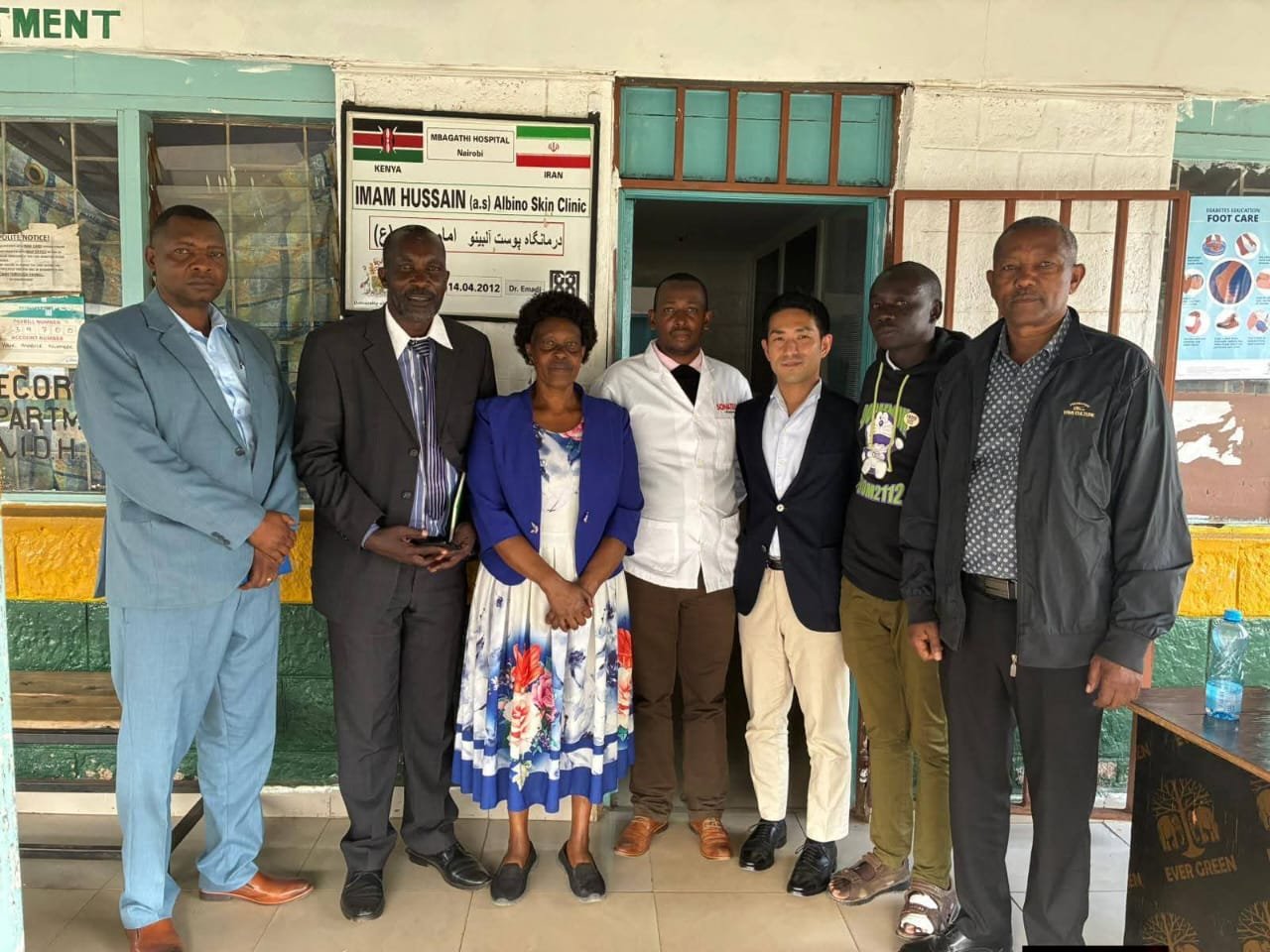
Despite free treatment, many people are diagnosed too late, leading to preventable disability. This programme strengthens community awareness, early case detection, referral systems and comprehensive care.
Key areas of work
- Community awareness and health education
- Active case finding and contact tracing
- Early diagnosis and referral
- Disability prevention and management
- Self-care groups
- Physiotherapy and rehabilitation support
- Mental health and psychosocial support
- Capacity building for healthcare workers
Expected outcome: Earlier diagnosis, reduced disability, stronger health systems and less stigma.
 Programme 2
Human Rights, Advocacy and Social Inclusion Program
Promoting equality, justice and dignity.
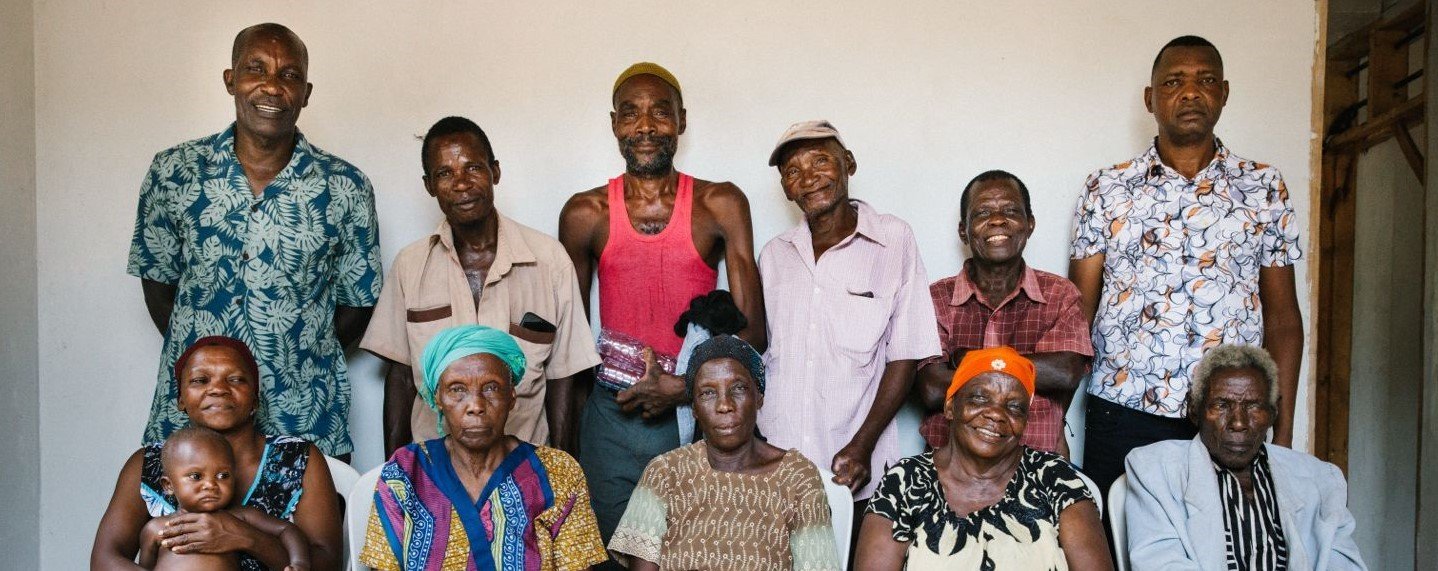
Stigma remains one of the greatest barriers faced by persons affected by leprosy. This programme works to eliminate discrimination and secure meaningful participation in decision-making.
Key areas of work
- Human rights education and legal empowerment
- Community dialogues
- Anti-stigma and public awareness campaigns
- Policy engagement and media advocacy
- Leadership development
- World Leprosy Day commemoration
Expected outcome: Reduced discrimination, stronger legal protection and inclusive policies.
 Programme 3
Sustainable Livelihoods and Economic Empowerment Program
Breaking the cycle of poverty.
Poverty and leprosy are closely linked. This programme supports entrepreneurship, vocational training, financial inclusion and market access.
Key areas of work
- Women's economic empowerment: soap making, tailoring, savings groups, cooperatives
- Youth skills: graphic design, digital printing, ICT, welding, electrical installation
- Agricultural livelihoods: mango value addition, coconut processing, poultry, kitchen gardens
- Social enterprises: printing and branding, soap manufacturing, tailoring workshop
Expected outcome: Increased household income, job creation and sustainable enterprises.
 Programme 4
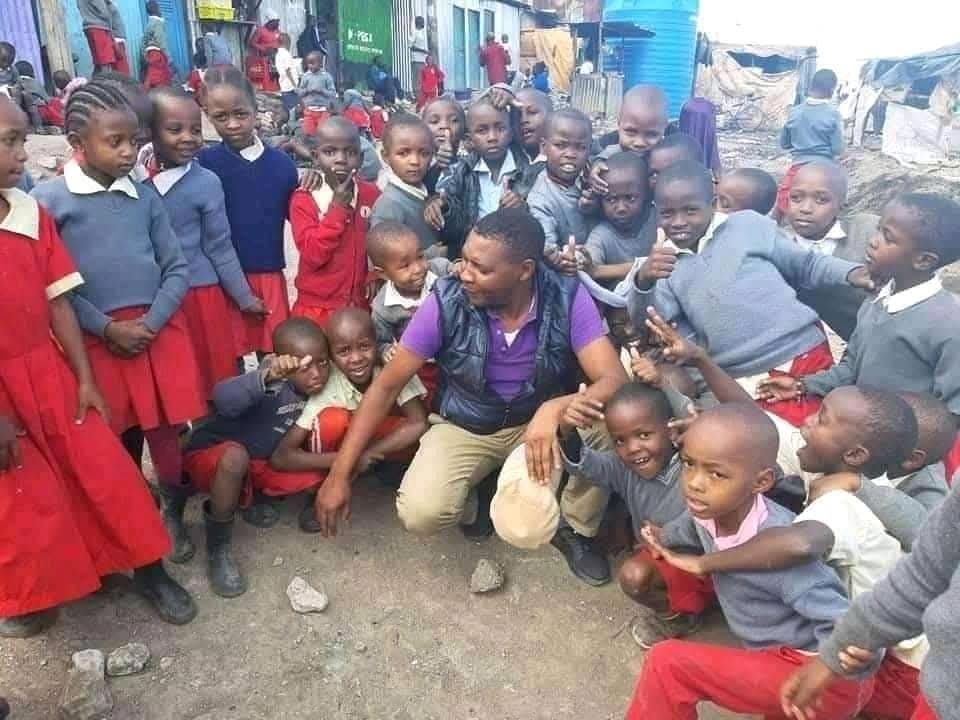
Education and Child Development Program
Every child deserves the opportunity to learn.
Children from affected families face poverty, stigma and limited learning resources. Education is one of the most effective tools for breaking intergenerational poverty. The Foundation operates the Refaco Garden Learning Centre, offering quality, inclusive education for vulnerable children.
Key areas of work
- Scholarships and school fees support
- Uniforms, learning materials and school feeding
- Child protection and inclusive education
- Teacher capacity building
- School infrastructure development
- Mentorship and career guidance
Expected outcome: Improved enrolment, better learning outcomes and reduced dropout.
 Programme 5
Youth Skills Development and Innovation Program
Empowering the next generation of leaders.
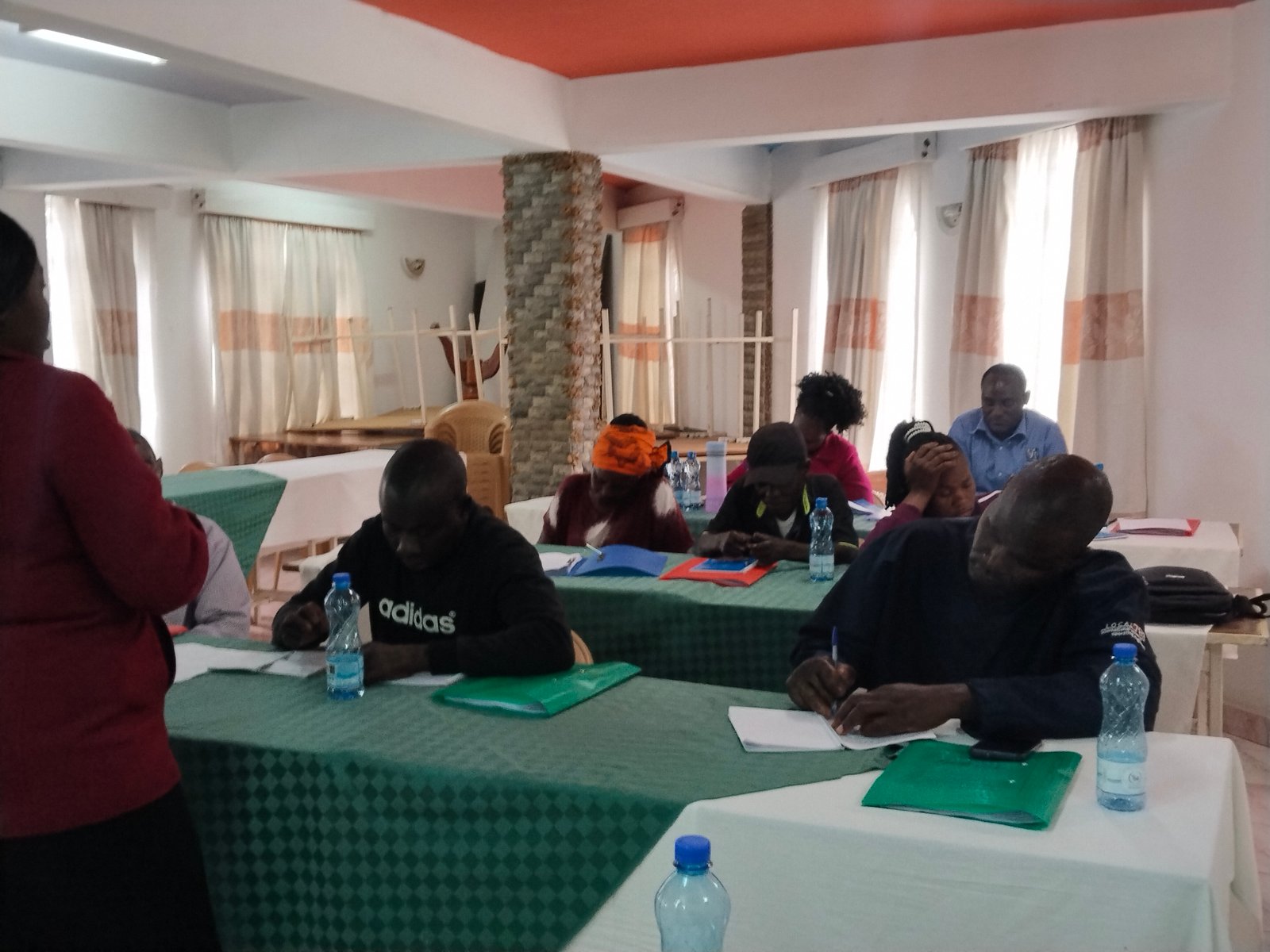
Practical skills training and entrepreneurship support help young people build sustainable careers.
Key areas of work
- Graphic design and printing technology
- ICT and digital marketing
- Business development and financial literacy
- Leadership, communication and employability skills
- Internships, mentorship and business incubation
Expected outcome: Skilled, employable young people and new youth-led enterprises.
 Programme 6
Women and Gender Equality Program
Tackling discrimination based on gender, disability and poverty.
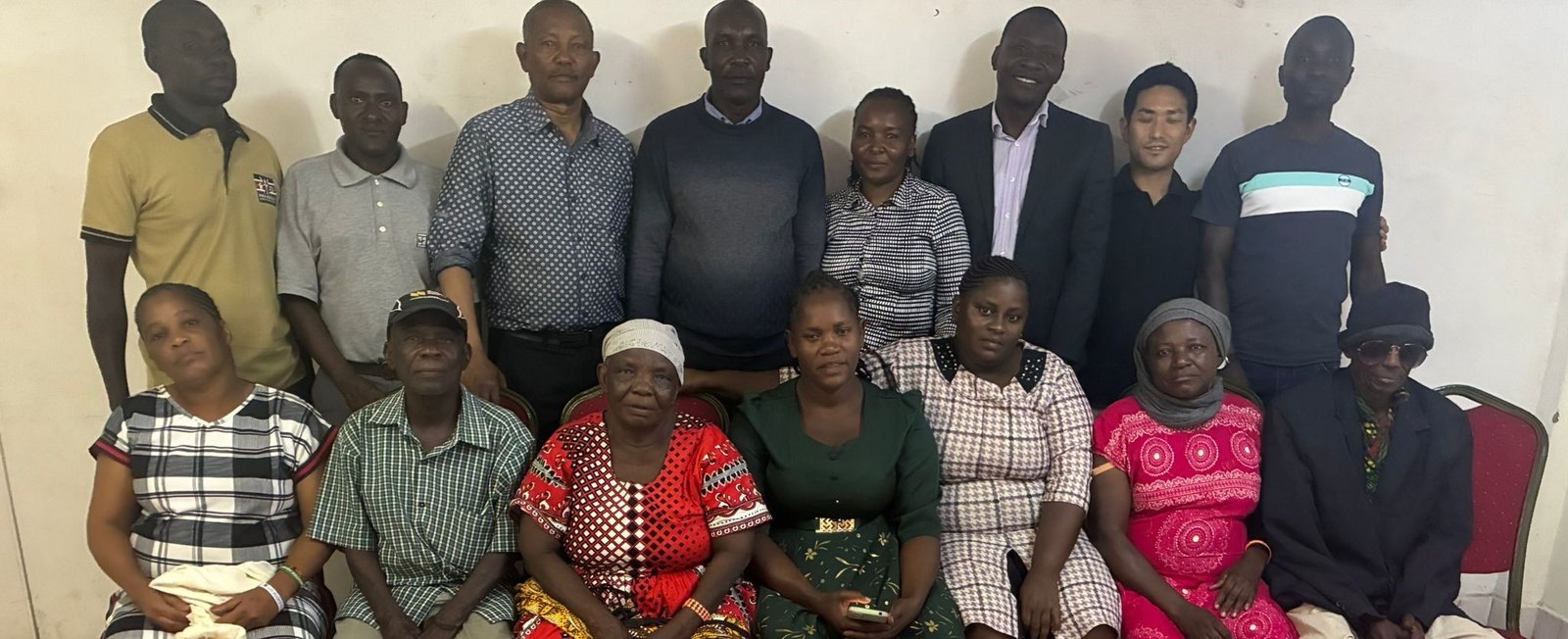
Women affected by leprosy often face multiple forms of discrimination. This programme builds leadership, skills and financial independence.
Key areas of work
- Leadership development and mentorship
- Vocational training and entrepreneurship
- Sexual and reproductive health education
- Gender-based violence prevention
- Financial inclusion, savings groups and market access
Expected outcome: Women who lead, earn and speak up for their communities.
 Programme 7
Research, Innovation and Knowledge Management Program
Generating evidence for better solutions.
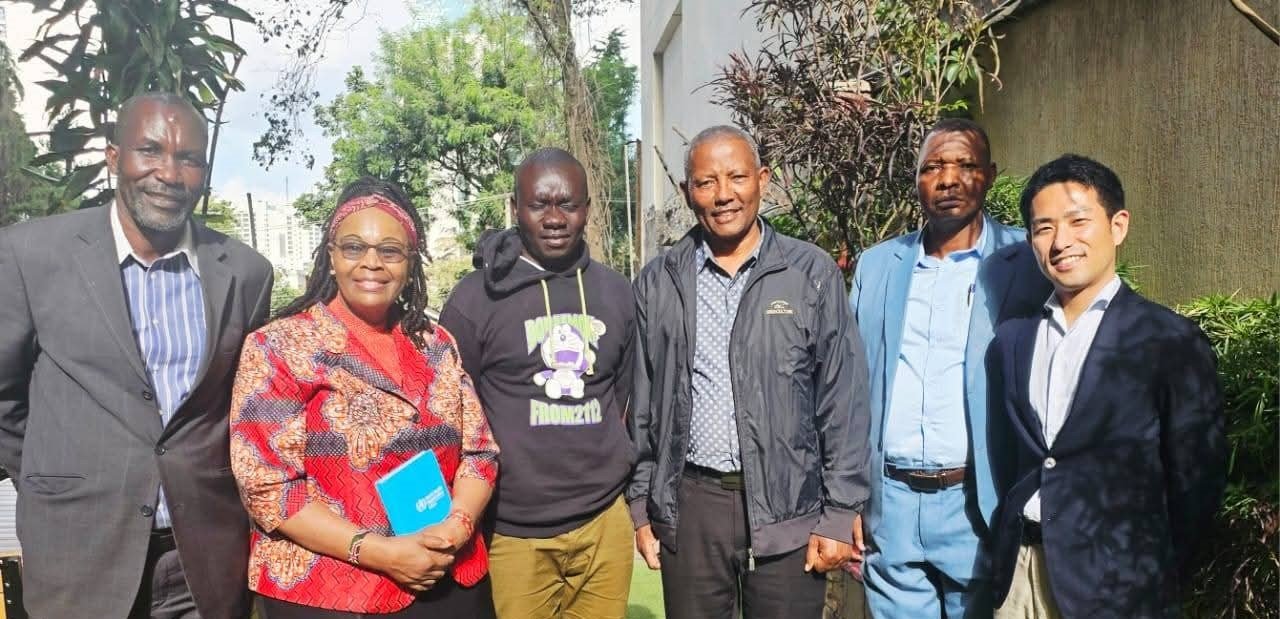
Research helps us understand community needs, evaluate effectiveness and influence policy.
Key areas of work
- Operational and community-based participatory research
- Stigma, discrimination and disability inclusion
- Health systems strengthening and digital health
- Behaviour change communication and mental health
- Podcast-based public health education
- Monitoring and evaluation
Expected outcome: Practical recommendations that improve policy, programmes and services.
 Programme 8
Water, Sanitation, Hygiene (WASH) and Environmental Health Program
Clean water and sanitation are fundamental to health and dignity.
Safe water and good hygiene protect health, especially in schools and vulnerable households.
Key areas of work
- Safe water access and community water projects
- Hygiene education and handwashing promotion
- School sanitation
- Climate-resilient water systems
- Environmental conservation and waste management
Expected outcome: Healthier households, safer schools and more resilient communities.
 Programme 9
Community Development and Humanitarian Response Program
Supporting households through shocks and emergencies.
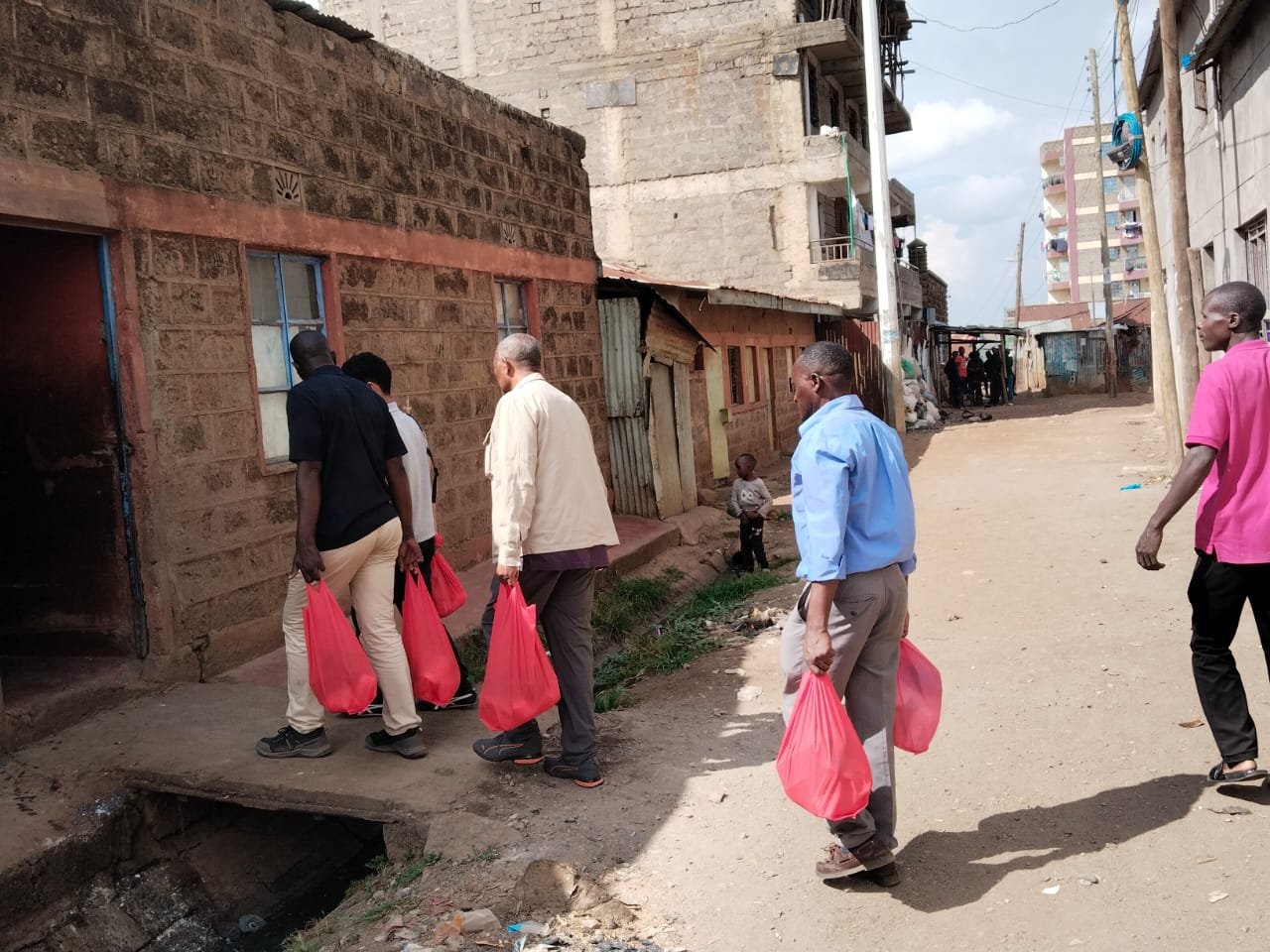
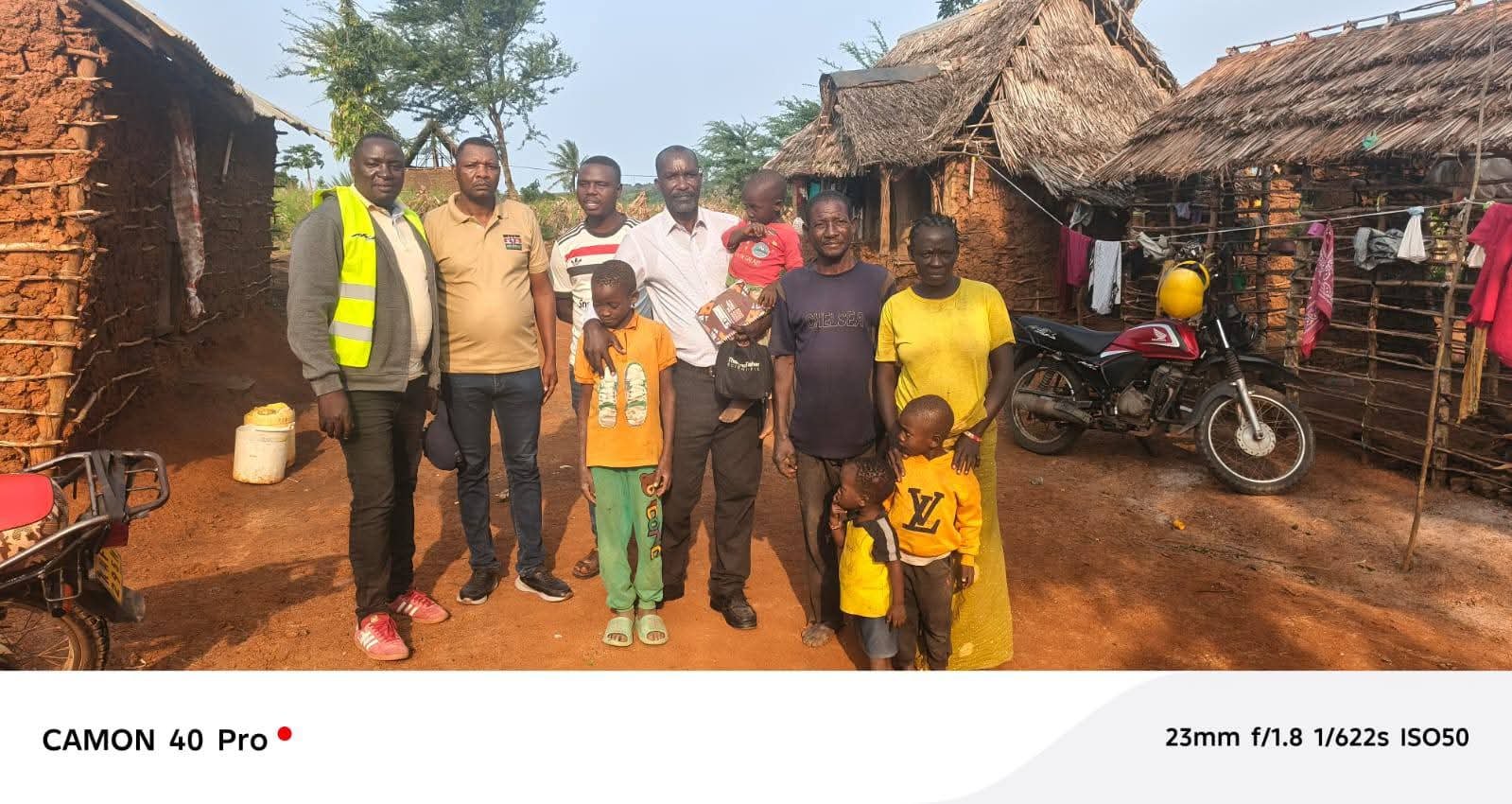
Communities affected by leprosy are often vulnerable to economic shocks, disasters and public health emergencies.
Key areas of work
- Emergency food assistance and household support
- Hygiene kits
- Livelihood recovery
- Disaster preparedness and community resilience
- Social protection referrals
Expected outcome: Families who recover faster and stay protected.
Programme 10
Strategic Partnerships and Institutional Development Program
Sustainable impact needs strong institutions.
We strengthen the organisations and partnerships that make lasting change possible.
Key areas of work
- Community-based organisations and organisations of persons affected by leprosy
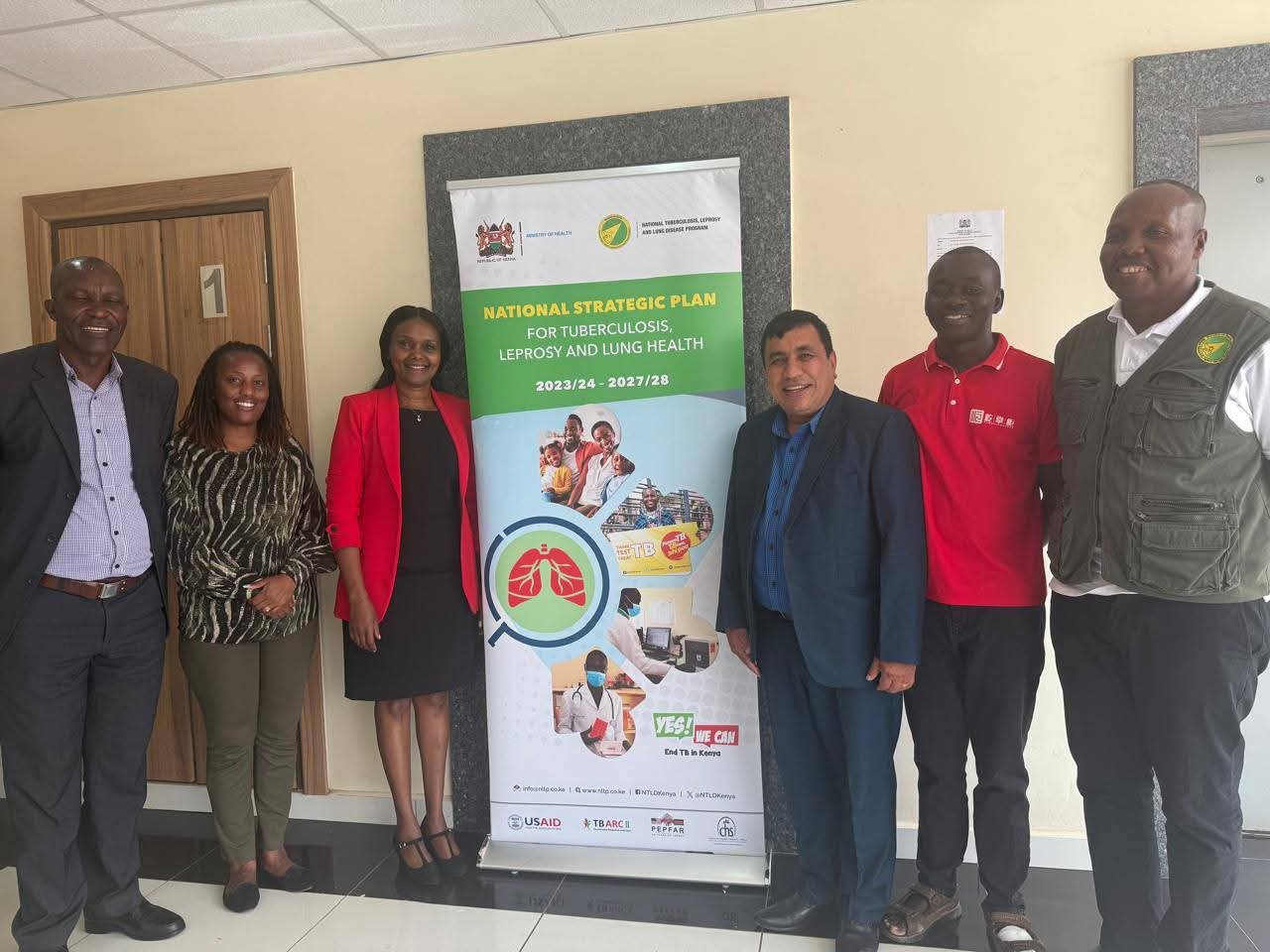
- County and national government collaboration
- International and academic partnerships
- Corporate social responsibility initiatives
- Volunteer networks
Expected outcome: A stronger network able to support people in every region of Kenya.
 Our Institution
Refaco Garden Learning Centre
A learning centre established by IDEA Refaco Kenya Foundation
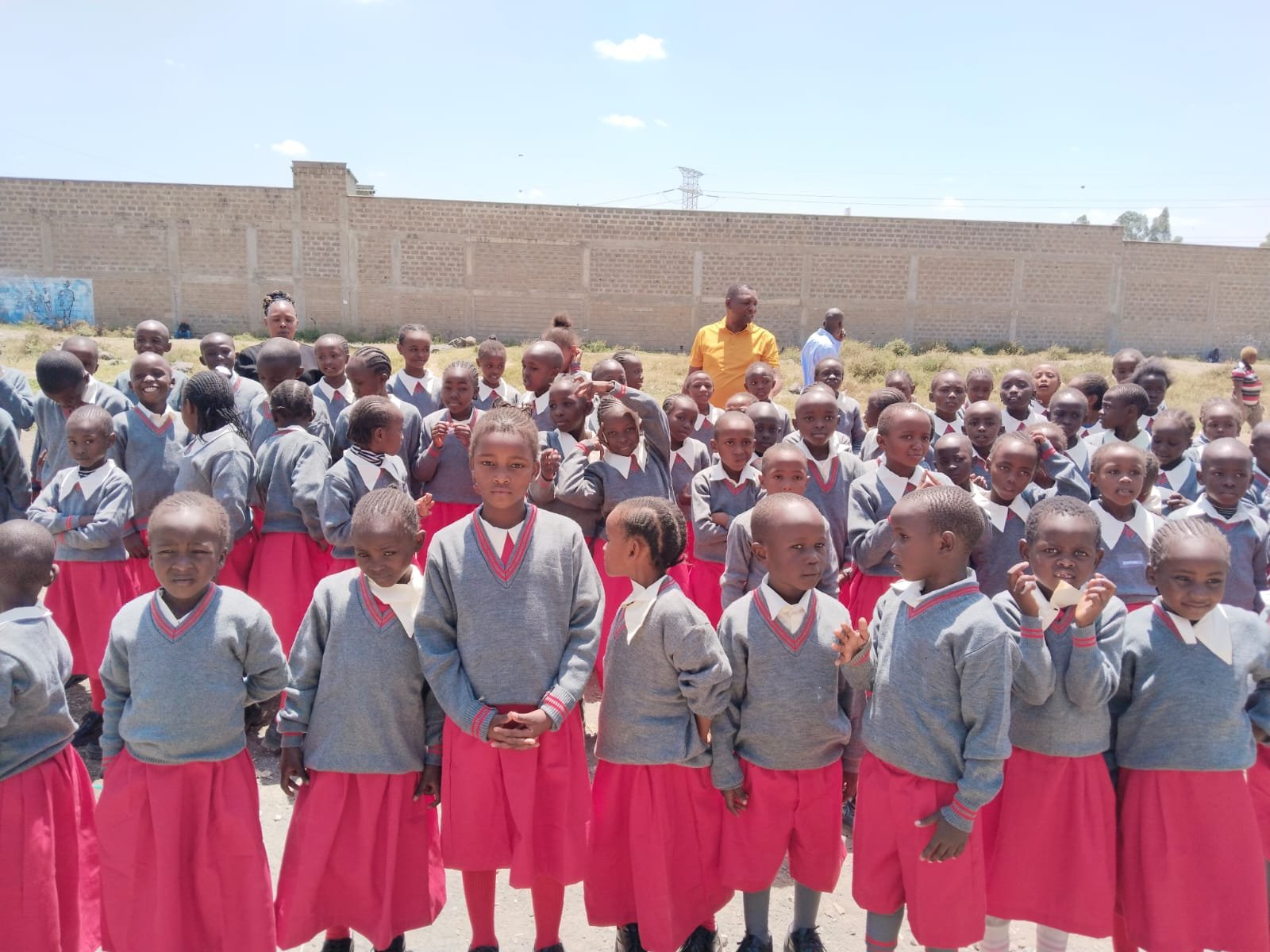
The Refaco Garden Learning Centre is the Foundation's own institution. It offers quality, inclusive education to vulnerable children, including children from families affected by leprosy, so that every child has the chance to learn, grow and build a future free from stigma.
What the Centre offers
- Quality, inclusive education for vulnerable children
- A safe, welcoming and stigma-free learning environment
- Child protection and safeguarding
- Learning materials and school support
- Mentorship and career guidance
Expected outcome: Children who stay in school, learn well and gain the confidence to break the cycle of poverty in their families.
Our cross-cutting commitments
Across all programmes we integrate human rights, disability inclusion, gender equality, child safeguarding, environmental sustainability, climate resilience, community participation, accountability, transparency, innovation and Monitoring, Evaluation, Accountability and Learning (MEAL).